A season of warmth, creativity, and fresh ideas
Fall design trends with AI represents the convergence of seasonal inspiration and technological advancement. Fall transcends mere weather changes. It signals shifts in mood, creative direction, and color approaches. Designers increasingly embrace earthy tones, layered textures, and organic elements that deliver warmth and visual depth. This season highlights graphic design approaches that balance comfort with sophistication, merging bold typography, playful patterns, and innovative concepts to keep brands competitive.
AI tools now represent an integral part of the design ecosystem. Generative AI platforms enable business owners, marketers, and designers to refine distinctive styles, test creative directions, and produce visuals with genuine emotional resonance.
Why design trends matter in fall
Every season conveys distinct narratives. Fall brings warmth, nostalgic feelings, and distinctive character. Brands frequently launch campaigns, refresh packaging, or experiment with product design during this period. Audiences demand more than surface-level visuals. They seek images and patterns with depth that create emotional connections while remaining practical and inspiring.
Fall graphic design succeeds because of its inherent sense of movement. Rich earthy colors provide warmth, natural elements reference the environment, and inventive typography infuses vitality into an otherwise subdued season.
Enter AI: transforming the way we approach design
AI has transitioned from speculative concept to practical creative resource. Integrating AI into projects delivers speed, diversity, and creative assurance. Rather than investing hours in moodboard development or manual image adjustments, generative AI provides multiple directions instantly.
Key advantages of contemporary AI tools include:
- Work smarter, not harder: AI handles repetitive tasks, freeing designers for creative work.
- Add detail and depth: AI-generated options enable exploration of subtle lighting, form, and texture variations.
- Stay aligned with top trends: Platforms like RealityMAX enable testing color schemes and patterns against real-world applications, confirming visual alignment with audience expectations.
RealityMAX: your go-to for fall design experiments
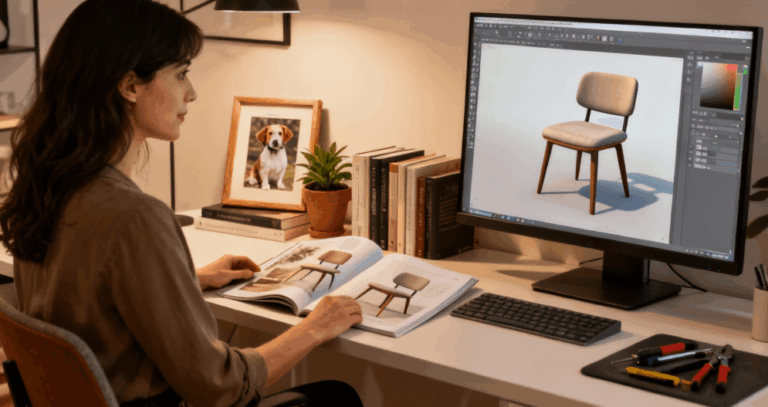
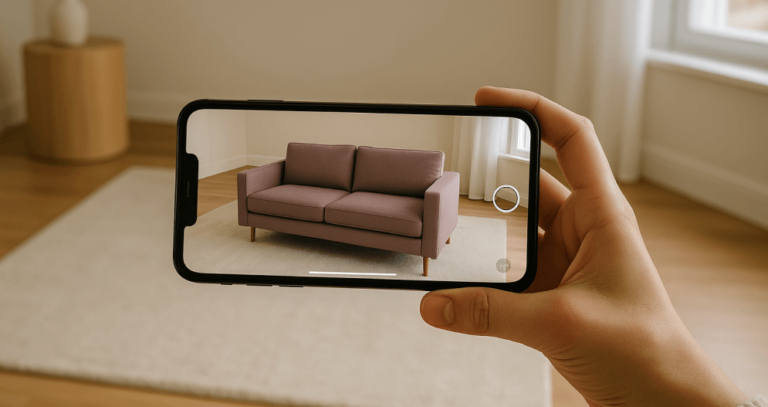
RealityMAX functions as a browser-based creative workspace designed for designers, marketers, and collaborative teams seeking generative design experimentation without complications. Whether staging 3D environments, building moodboards, or developing logo concepts, RealityMAX integrates AI naturally into creative workflows.
Key capabilities include:
- Generative design support: ReIMAGINE AI enhances 3D scenes and explores textural variations.
- Image to 3D tools: Convert photographs into detailed models for product design or artistic purposes.
- Team collaboration: Share projects, provide feedback, and refine visuals simultaneously across teams.
The role of human creativity in AI design trends
A widespread misconception suggests AI replaces human capability. Contemporary AI design trends demonstrate the inverse: human creativity becomes increasingly vital. While AI generates images, patterns, or typographic options, designers contribute unique sensibilities and personal elements that animate projects.
Designers interpret the world through meticulous observation, intuition, and emotional intelligence. They inject character into bold compositions, ensure organic pattern authenticity, and weave playful elemental combinations that create memorable designs. AI serves as support infrastructure rather than primary contributor. Genuine innovation emerges through human interpretation, skill application, and narrative construction combined with technological acceleration.
Top trends in fall 2025 and how AI helps
Key design directions shaping this season, and how AI integration democratizes access to them:
1. Earthy tones and layered palettes
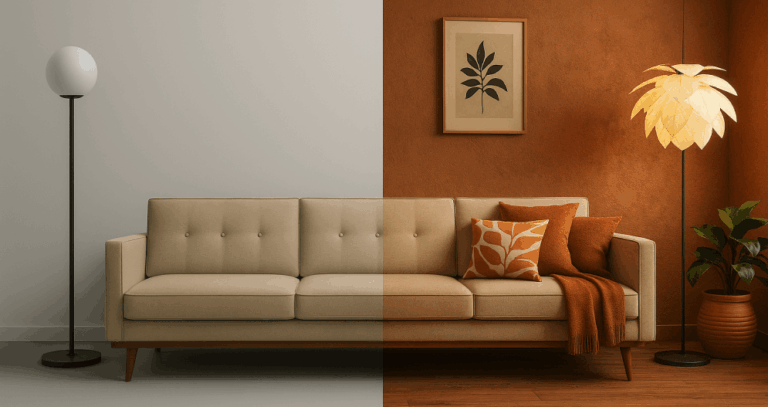
Contemporary fall design emphasizes earthy color families: saffron, moss, terracotta, oxblood, and midnight blues. These palettes establish warmth and facilitate emotional audience connection.
With AI: Generate multiple palette variations instantly, implement them across product mockups, or evaluate them within lifestyle imagery to determine optimal emotional impact.
2. Bold typography and playful mixes
Typography assumes increased prominence and scale this year. Designers combine forceful typefaces with organic elements, crafting playful combinations that feel simultaneously contemporary and timeless.
With AI: Explore side-by-side typographic variations in campaign materials, experimenting with proportional relationships, compositional movement, and surface qualities.
3. Organic elements and nature-inspired shapes
Contemporary design embraces organic contours, patterns referencing mushrooms, foliage, and ridged ceramics. These forms introduce vitality and motion into visual compositions.
With AI: Integrate natural details into 3D environments or fashion concepts, investigating how organic elements influence overall atmosphere.
4. Generative design for unique style
Generative AI facilitates unlimited pattern, texture, and compositional variations. This capability supports designers in establishing distinctive visual identities while maintaining alignment with broader design movements.
With AI: Employ RealityMAX to generate patterns for home furnishing concepts, fabric surfaces, or packaging environments in abbreviated timeframes.
5. Statement lighting and dramatic mood
Lighting transcends functional purpose, becoming a design element itself. Sculptural fixtures, luminous forms, and golden-hour atmospherics dominate fall visual narratives.
With AI: Preview lighting scenarios in upcoming projects, candlelit environments, daylight conditions, or vivid neon atmospheres, without requiring photographic documentation.
6. Sustainable and circular aesthetics
Organizations increasingly emphasize reclaimed materials, natural textiles, and genuine storytelling. Sustainability represents genuine cultural movement rather than transient aesthetic preference.
With AI: Visualize sustainable material substitutions in product presentations or develop imagery emphasizing environmentally responsible finishes for marketing campaigns.
Practical applications for business owners and designers
Consider a practical scenario: A business owner developing a fall campaign for art prints pursues emotional audience connection through merged human creativity and AI resources:
- Establish directional concept: "Organic textures merged with bold typography."
- Generate environments in RealityMAX incorporating earthy color families and inviting illumination.
- Distribute immediately with design collaborators for feedback.
- Advance refinement through playful element integration, organic form introduction, and individual creative contribution.
Within a single day, the campaign achieves contemporary trend alignment, audience resonance, and authentic brand representation.
Why AI is reshaping the design community
The design community flourishes through partnership, creative stimulation, and novel concepts. AI integration delivers efficiency alongside creative liberation. Rather than restriction to singular approaches, teams simultaneously explore multiple directions.
Contemporary designers possess competencies enabling AI deployment as creative extension. Production accelerates, workflows become optimized, and deliverables meet brand expectations. Practical advantages, temporal economy, expense reduction, and asset scalability, complement emotional dimensions: investigative freedom, audience connection capability, and design leadership confidence.
What makes fall AI design different from other seasons?
Fall embodies equilibrium. This season merges coziness with boldness, organic forms with angular typography, and earthy colors with lively patterns. AI implementation supports design approaches honoring heritage while embracing innovation.
Distinct from summer's radiance or winter's reductive aesthetics, fall design celebrates warmth, compositional richness, and individual perspective. AI facilitates integrated treatment of these components while preserving audiences' treasured human sensibility.
How can AI help you connect emotionally with your audience this fall?
The essential designer inquiry transcends tool selection. It addresses meaningful audience connection. AI amplifies rather than displaces creativity. Introducing warmth, deliberate detailing, and distinctive visual approaches generates visuals transcending decorative function.
Fall offers optimal timing for bold typographic exploration, organic element experimentation, and earthy palette development. AI partnership ensures projects transcend trend-following. They represent opportunities for inspiration, meaningful connection, and demonstrated creative futures.